

Soccer, known as football in most parts of the world, is the most popular sport globally, boasting a rich history that spans over two millennia. This article delves into the fascinating facts surrounding the history of soccer, exploring its origins, evolution, and cultural significance. From ancient games played with rudimentary balls to the modern-day spectacle of the FIFA World Cup, soccer has undergone significant transformations that reflect broader societal changes.
Ancient Origins
Early Forms of Soccer
The earliest known form of soccer can be traced back to ancient China around 200-300 BC, where a game called “Tsu Chu” was played. This involved kicking a leather ball filled with feathers through a small hole in a net. Similar games were also played in ancient Greece and Rome, where the ball was often made of animal hide stuffed with hair. These early iterations of soccer were often chaotic and lacked standardized rules, resembling modern-day mob football, which was played in England during the Middle Ages and was notorious for its lack of organization and excessive violence.
The Birth of Modern Soccer

The formalization of soccer as we know it today began in 1863 in England with the establishment of the Football Association (FA). This marked the separation of association football from rugby, leading to the creation of standardized rules. The FA’s rules prohibited the use of hands, which helped distinguish soccer from other forms of football. The first official match under these rules took place shortly thereafter, setting the stage for the sport’s rapid growth.
Global Expansion
Soccer in Europe and Beyond
Following its establishment in England, soccer quickly spread across Europe. By the late 19th century, countries such as Germany and Italy began forming their own football associations. The first international match occurred in 1872 between England and Scotland, further solidifying soccer’s status as a global sport. The late 19th and early 20th centuries saw the formation of domestic leagues, with the English Football League being the first professional league established in 1888.
The FIFA World Cup

The inaugural FIFA World Cup took place in 1930 in Uruguay, featuring 13 teams. This tournament laid the groundwork for what would become the most prestigious event in international soccer, held every four years (except during World War II). The World Cup has grown exponentially, with the number of participating teams increasing and the event now watched by billions worldwide.
Cultural Impact
Soccer as a Global Phenomenon
Soccer’s influence extends beyond the pitch, impacting culture, politics, and social dynamics. For instance, the “Football War” between El Salvador and Honduras in 1969 was sparked by tensions arising from a World Cup qualifying match. This illustrates how deeply intertwined soccer can be with national identity and conflict.
The Role of Major Leagues
The establishment of major leagues, such as the English Premier League, La Liga in Spain, and Serie A in Italy, has contributed to the globalization of soccer. These leagues attract top talent from around the world, creating a melting pot of cultures and styles of play. The commercialization of soccer has also led to significant financial investments, with clubs becoming billion-dollar enterprises.
Notable Facts and Records
Historical Milestones
- First Professional League: The English Football League was established in 1888, marking the beginning of professional soccer.
- FIFA Membership: FIFA, founded in 1904, now has more member nations than the United Nations, highlighting soccer’s global reach.
- World Cup Records: Brazil holds the record for the most World Cup victories, having won five times. The tournament has seen memorable moments, such as Diego Maradona’s “Hand of God” goal in 1986, which remains one of the most controversial in soccer history.
Unique Soccer Facts
- The largest soccer stadium is the Rungrado 1st of May Stadium in North Korea, with a capacity of 150,000.
- The fastest goal in soccer history was scored just 2.1 seconds after kick-off in 2017.
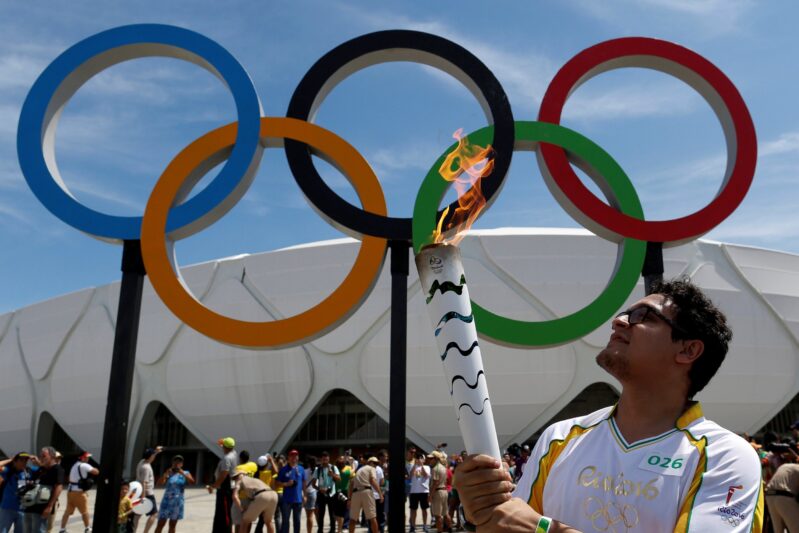
- Soccer was included as a team sport in the Olympics for the first time in 1900, showcasing its growing popularity.
Evolution of Rules and Regulations
Standardization of Rules
The establishment of the FA in 1863 was pivotal in formalizing the rules of soccer. The original rules, known as the “Laws of the Game,” have undergone numerous revisions. Key changes include the introduction of the offside rule, which was designed to prevent players from gaining an unfair advantage by hanging near the opponent’s goal. The introduction of penalty kicks in 1891 further shaped the game, providing a clear method for punishing fouls committed within the penalty area.
Technological Advancements
In recent years, technology has played a significant role in soccer. The introduction of the Video Assistant Referee (VAR) system has been a game-changer, allowing referees to review critical decisions using video footage. This technology aims to reduce human error and ensure fair play, although it has sparked debates about its impact on the flow of the game.
The Global Soccer Community
Grassroots Movements
Soccer’s popularity has led to the establishment of grassroots movements worldwide. Organizations like Street Football World promote social change through soccer, using the sport as a tool for education and community development. These initiatives highlight soccer’s potential to unite people and foster positive social change.
Women’s Soccer
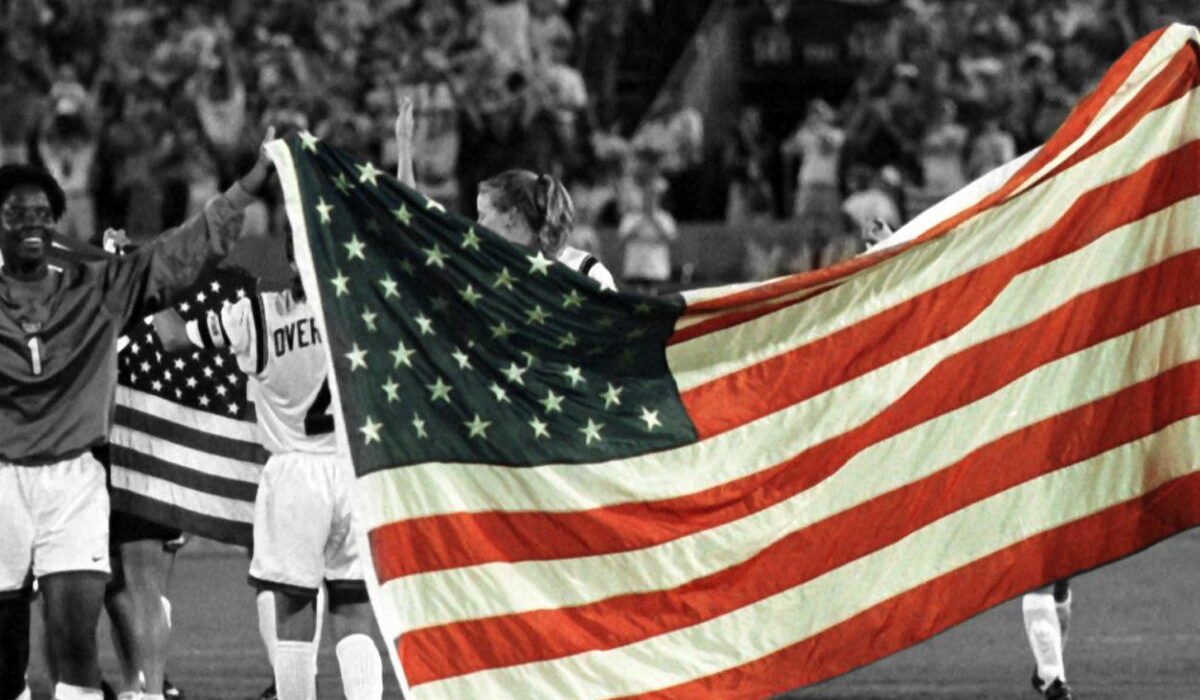
The rise of women’s soccer has been a significant development in recent decades. The inaugural FIFA Women’s World Cup took place in 1991, and the tournament has grown in prestige and popularity. Women’s leagues, such as the National Women’s Soccer League (NWSL) in the United States and the FA Women’s Super League in England, have gained recognition, showcasing the talent and skill of female players.
Noteworthy Players and Legends
Iconic Figures
Soccer has produced numerous legendary players, each leaving an indelible mark on the sport. Pelé, often regarded as one of the greatest players of all time, won three World Cups with Brazil and scored over 1,000 career goals. Diego Maradona, known for his extraordinary dribbling ability and vision, led Argentina to victory in the 1986 World Cup.
Modern Superstars
In contemporary soccer, players like Lionel Messi and Cristiano Ronaldo have dominated the scene, breaking records and winning multiple Ballon d’Or awards. Their rivalry has captivated fans and elevated the sport’s profile globally. Both players have also made significant contributions to charitable causes, using their platforms to effect positive change.
The Future of Soccer
Emerging Trends
As soccer continues to evolve, several trends are shaping its future. The increasing use of analytics and data-driven decision-making is transforming coaching strategies and player development. Additionally, the integration of virtual reality (VR) and augmented reality (AR) technologies is enhancing training methods and fan engagement.
Sustainability in Soccer
The sport is also becoming more conscious of its environmental impact. Initiatives aimed at promoting sustainability, such as reducing carbon footprints and implementing eco-friendly practices in stadiums, are gaining traction. The FIFA World Cup 2022 in Qatar emphasized sustainability, with efforts to create a more environmentally responsible tournament.
Conclusion
The history of soccer is a testament to its evolution from ancient games to a global phenomenon that unites millions. As the sport continues to grow and adapt, it remains a significant aspect of cultural identity and social interaction across the world. Understanding its history enriches our appreciation of the game and highlights the remarkable journey of soccer through time.
FAQs
Q1. What is the origin of soccer?
A1. Soccer’s origins can be traced back over 2,000 years to ancient China, Greece, and Rome, where various forms of ball games were played. The modern version of soccer began to take shape in 19th century England with the establishment of standardized rules.
Q2. When was the first FIFA World Cup held?
A2. The first FIFA World Cup took place in 1930 in Uruguay, featuring 13 teams. It has since grown into the most prestigious tournament in international soccer.
Q3. How many countries are members of FIFA?
A3. As of now, FIFA has 211 member nations, making it one of the largest international organizations in terms of membership.
Q4. Who are some of the greatest soccer players of all time?
A4. Some of the greatest soccer players include Pelé, Diego Maradona, Lionel Messi, and Cristiano Ronaldo, each known for their exceptional skills and contributions to the sport.
Q5. What role does technology play in modern soccer?
A5. Technology, particularly the Video Assistant Referee (VAR) system, has been introduced to help referees make more accurate decisions during matches. Additionally, data analytics is increasingly used in player performance evaluation and coaching strategies.